
6 Surprising Causes of Employee Burnout (and How Managers Can Prevent Them)
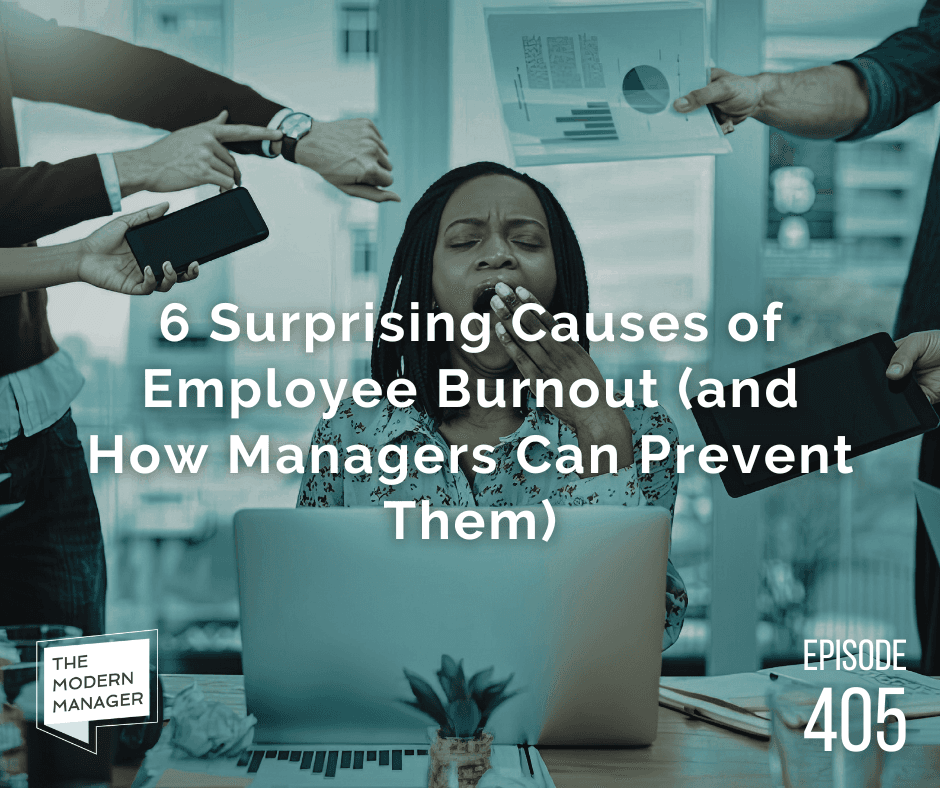
If a team member has been feeling a little “off” lately, you’re probably noticing it in subtle ways. They are still showing up and getting their work done, but the energy has shifted. The spark is mi ing. Conversations feel flatter. What used to feel like engagement now feels more like going through the motions.
You start to wonder if this person is on the verge of burnout.
It’s natural to immediately a ume the problem is workload. If people are stretched too thin or working long hours, burnout is an obvious risk. But in practice, the causes are often le visible and far more embedded in everyday ways of working.
Burnout often builds quietly through small, persistent drains on people’s energy and motivation. The encouraging part is that these i ues are usually within a manager’s control to influence, and the fixes are often simpler than expected.
Don’t Try to Eliminate All Stre
There’s a common misconception that preventing burnout means creating an environment where people are always happy or comfortable. That’s neither realistic nor helpful. A certain level of challenge is nece ary for growth, performance, and progre .
What matters is understanding the difference between pre ure that energizes people and is temporary from pre ure that depletes them. When the balance tips in the wrong direction, the consequences go beyond morale. People become le creative, le productive, and more prone to mistakes. Over time, they also become more likely to disengage or leave altogether.
The Hidden Causes of Burnout
While workload is a major factor of burnout (in fact, it’s listed as number one below), it’s not the only one. Here are additional contributors that often go unchecked.
Exce ive workload is not just about long hours but about sustained pre ure without adequate support. Over time, this leads to overwhelm, even for high performers.
False urgency is when everything feels urgent and nothing is clearly prioritised. This creates constant pre ure and leaves people feeling like they are always in crisis mode, which is mentally exhausting.
Unfair treatment happens when decisions, opportunities, or expectations feel inconsistent or biased. It erodes trust and quickly leads to disengagement, even among those not directly affected.
Relentle change is when proce es, priorities, or direction shift too often without clear explanation. It creates instability and makes it difficult for people to feel grounded in their work.
Limited growth occurs when people feel stuck in their roles without opportunities to learn, stretch, or progre . Motivation declines when there is no sense of forward movement.
Undercompensation is when people feel their contribution is not fairly recognised. Even when pay is not the primary motivator, this perception can significantly reduce engagement and commitment.
Recognize the Early Signs
Burnout rarely arrives suddenly. It shows up gradually in behaviour and energy shifts.
You might notice someone who used to actively contribute in meetings becoming quieter or le engaged. Communication may become more transactional, collaboration may decrease, and enthusiasm for work may fade. In some cases, people become more withdrawn socially or seem consistently more tired or irritable.
The key distinction is persistence. Unlike temporary stre , which is tied to a specific situation, burnout shows up as a sustained pattern over time.
Open the Door to Real Conversations
When you notice these changes, the goal is not to label or a ume burnout. Instead, aim to create space for honest dialogue.
Simple, observational language works best. Noticing changes in engagement or energy and asking how someone is doing opens the door without pre ure. Questions about workload, challenges, and support can help surface what’s really going on and what might help.
Small Changes, Big Impact
Burnout is often caused by a combination of factors, which means it rarely has a single solution. Making consistent improvements acro multiple areas over time is a smarter approach.
That might mean clarifying priorities to reduce false urgency, improving transparency in decision-making, or identifying one proce that can be simplified. Even modest adjustments can significantly reduce unnece ary strain.
The most important step is awarene . Once you can see what’s driving the pre ure, you can begin to remove it.
Preventing burnout does not require lowering expectations. It’s simply a matter of removing unnece ary friction so people can perform at their best. When people feel supported, treated fairly, and clear on what matters, they don’t just avoid burnout; they become more engaged, more focused, and more effective in their work.
Listen to the full episode to learn more.
Listen to the full episode →---------------------
The Modern Manager is a leadership podcast for rockstar managers who want to create a working environment where people thrive and great work gets done.