
How to Deal with Narcissistic Behavior in the Workplace
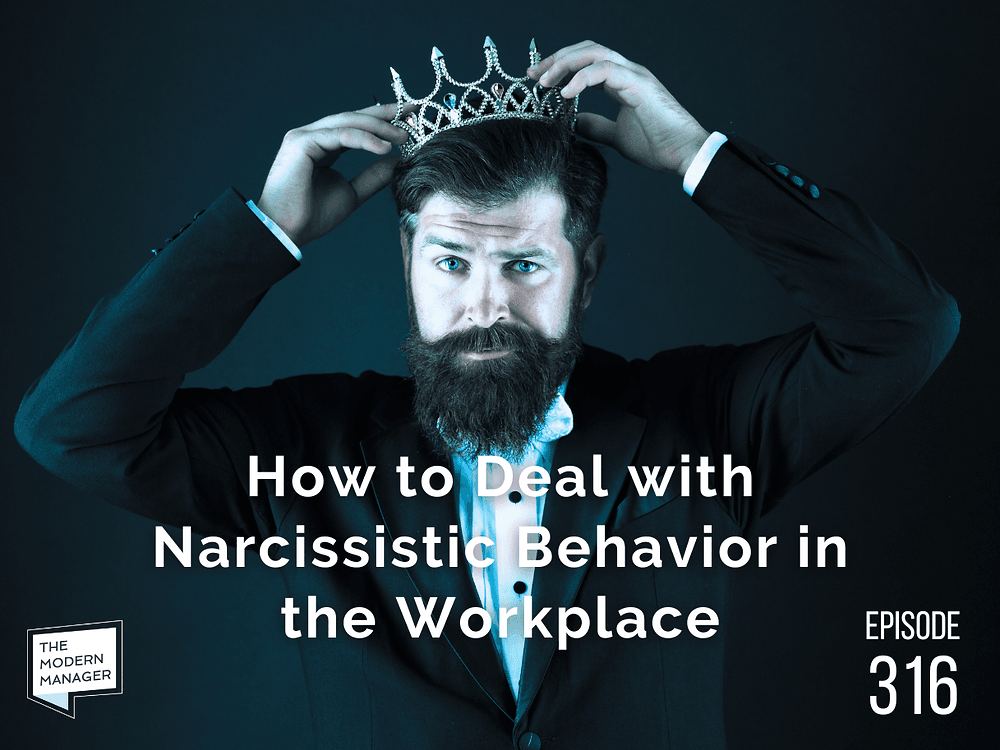
We encounter all types of personalities and styles in the workplace. These differences can cause minor friction as we collaborate, but usually there’s a way to work together productively. That is not the case with narci ism. Although a small percentage of people are clinically diagnosed, there is a growing number of people who display narci istic behaviors. As managers, we need to learn how to protect ourselves and our teams from toxic behaviors as well as find ways to work with individuals who have narci istic tendencies.
To shed light on this challenging topic, I spoke with Rebecca Zung, a globally recognized negotiation and communications expert, as well as an attorney recognized by U.S. News. She is a bestselling author and the designer of the proven SLAY Method® for negotiating with narci ists.
Here, Rebecca explains the different types of narci ists and how to engage them.
OVERT AND COVERT NARCISSISTS
Narci ism is often a ociated with charismatic individuals seeking constant validation. These are the folks who are always center stage in conversations, boasting about themselves, and seeking affirmation. This grandiose behavior is obvious, hence the name overt narci ist.
On the other hand, covert narci ists are le noticeable but potentially more harmful, explains Rebecca. They use subtle tactics, showcasing a victim mentality, using charm and manipulation, often deploying insidious strategies like “love bombing.” They quickly establish a deep connection before acting on their hidden agendas. Being pa ive-aggre ive, they are experts in manipulating situations to their advantage – stirring the pot, creating conflicts, and then sliding under the radar.
For example, a covert narci ist may point out an employee who is arriving late or leaving early, intentionally creating unnece ary tension among coworkers. When they do so, they appear to be coming from a place of deep concern, making it hard to fault them for raising the i ue. These behaviors may seem trivial but can have a significant impact on team cohesion and productivity.
ADDRESS NARCISSISTIC BEHAVIOR
Rebecca emphatically encourages managers to document these patterns of behavior. It is e ential to identify and document disruptive behavior and create a written record of any agreements, thus enabling managers to confront i ues head-on. As she explains, narci ists fear exposure, so having evidence can act as a deterrent.
Additionally, Rebecca puts their behavior in context. Childhood trauma often fuels narci istic behavior, leading to emotionally volatile responses to perceived threats or slights. Dealing with a narci ist requires a unique approach, given the lack of empathy and awarene these individuals po e . Setting boundaries, observing behaviors, and responding calmly can help maintain a respectful environment and navigate the complexities of dealing with narci ists.
Rebecca noted that it’s important not to absorb or get caught up in the emotional outburst of a narci ist. Instead, she recommends putting on an “invisible shield” that allows you to stay calm and confident. She further explained that when you stand up to them, demand being treated with respect, and ignore their attempts to ensnare you, they tend to give up and look for easier targets.
SOMETIMES YOU NEED TO MAKE A CHANGE
Creating a healthy work environment involves respectful collaboration and equal sharing, but that isn’t always po ible with narci ists. Such relationships often prove unsustainable and emotionally draining in the long run. Rebecca notes that there may come a point when you have to decide if staying in this job is worth the toll it’s taking on your mental and emotional wellbeing. Plus, as a manager, you need to be aware of the impact of narci istic behavior on your team members and ensure their health and safety are prioritized.
Remember that life is short, and you deserve a workplace where you feel empowered, heard, and respected. Dealing with high-conflict employees can cost companies billions and consume a significant portion of a manager’s day. Take the appropriate steps to neutralize the behaviors, but don’t be afraid to consider making a staffing change if someone is causing significant stre that is ultimately hurting your team’s effectivene . When we make the hard decision to prioritize the team’s wellbeing over one person’s negative behaviors, we demonstrate leadership and enable our team to thrive.
Listen to the full episode to learn more.
Listen to the full episode →Keep up with Rebecca Zung
Follow Rebecca on Instagram here
Subscribe to her YouTube channel here
Visit her website for more information here
$1,000 Discount on Slay Certification Program
Rebecca is offering a $1,000 discount on her Slay Certification Program to members of Podcast+. This one-of-a-kind coaching program equips you with the e ential tools to help people effectively navigate narci istic or difficult people by applying the transformative power of the SLAY® Method.
To get this bonus and many other member benefits, become a member of The Modern Manager Podcast+ Community.
---------------------
The Modern Manager is a leadership podcast for rockstar managers who want to create a working environment where people thrive, and great work gets done.