
Virtual Communication Is The New Normal
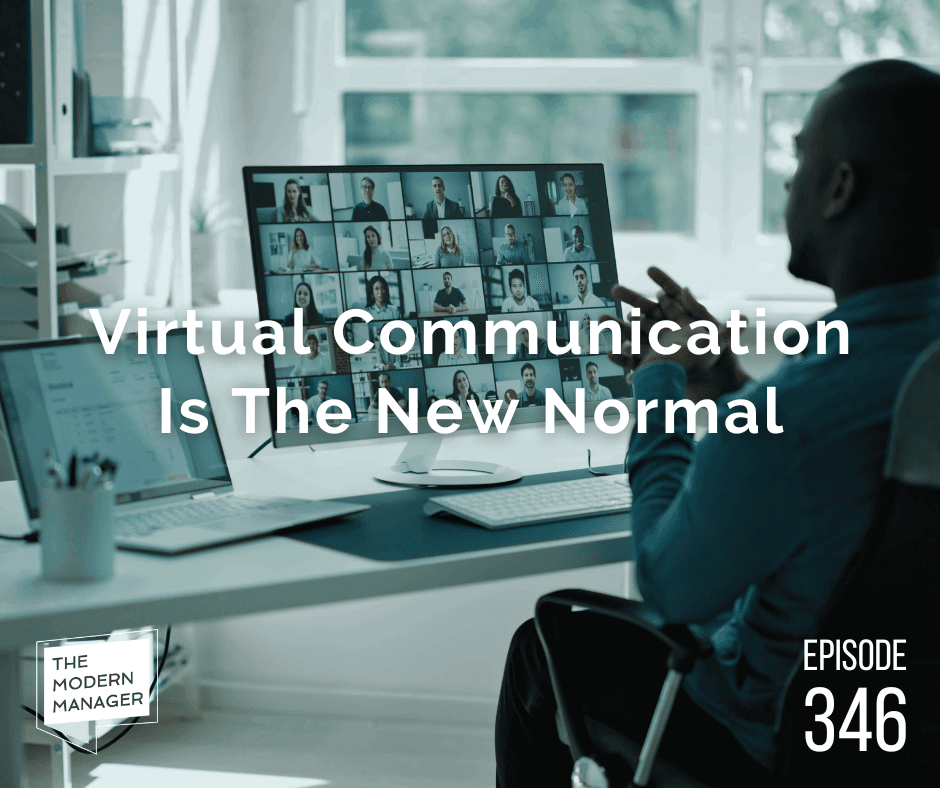
Virtual communication is now a fundamental part of the workplace, whether your team is remote, hybrid, or fully in-office. Emails, instant me ages, and video calls have replaced many face-to-face interactions, making strong digital communication skills e ential for effective leadership.
To help managers navigate this shift, I spoke with Andrew Brodsky, CEO of Ping Group and an award-winning profe or at the McCombs School of Busine at the University of Texas at Austin. Andrew shared insights from his book Ping: The Secrets of Succe ful Virtual Communication to offer managers practical strategies for improving digital interactions, reducing misunderstandings, and strengthening team dynamics.
Why Virtual Communication Matters More Than Ever
A common misconception is that virtual communication only applies to remote workers. However, as Andrew points out, even in-office teams rely on digital tools to communicate. Instead of walking over to a coworker’s desk to ask a question, we now send an instant me age or email. While this shift reduces interruptions to focus work time, it introduces new challenges such as trying to interpret emotion from simple text me ages.
Virtual communication, which includes video and audio meetings, email, chat, and texting, requires a thoughtful approach to ensure clarity, engagement, and connection.
The Two Key Dimensions of Virtual Communication
According to Andrew, two critical factors must be considered when choosing the method of virtual communication to accomplish your goal:
Cue Variety – This refers to how many non-verbal cues a communication method provides. Face-to-face interactions are rich with verbal and non-verbal signals such as facial expre ion and tone of voice, while emails and text me ages lack these elements.
Synchronicity – This refers to how real-time the communication is. Face-to-face conversations happen instantly, while emails and Slack me ages allow for delayed responses.
Even small differences in cue variety and synchronicity can impact communication. For example, video calls introduce slight delays due to data transfer speeds, which can create awkward pauses or increase the likelihood of talking over each other. Understanding these nuances helps managers choose the most effective communication method for different situations.
Choose the Right Communication Mode
Not all communication goals are well suited to every format. Andrew recommends that managers consider the following when deciding between video calls, emails, or instant me ages:
Use real-time conversations (video or phone) when: You need immediate feedback, are discu ing complex or sensitive topics, or want to build personal connections.
Use asynchronous communication (emails, digital tools or chat apps) when: You need to share straightforward information, brainstorm, or give team members time to think before responding.
A key takeaway from Andrew’s research is the underestimated power of voice communication. While video calls offer visual cues, they can also lead to fatigue. Voice-only calls provide a balance by conveying tone and emotion without the added pre ure of being on camera.
In addition, the research indicated that voice calls are the ideal balance of authenticity and effort for moments when you aren’t feeling the emotion but know you need to expre it. For example, if a colleague gets a promotion that you were hoping for, you might have mixed feelings. You’re happy for them but also disappointed or upset.
Sending a text me age to say “congratulations!” is seen as impersonal. Yet a face-to-face “congratulations!” can seem disingenuous because your true feelings might show up in your facial expre ion. It’s moments like this where a phone call or voice me age feels more personal than email but le awkward than in-person.
Set Clear Norms for Virtual Communication
One of the biggest sources of frustration in virtual teams is unclear expectations around response times and communication norms. Without clear guidelines, employees may feel pre ured to respond instantly, leading to stre and burnout.
To addre this, Andrew recommends managers work with their team to:
Define response time expectations – For example, emails within 24 hours, Slack me ages within 2 hours, and urgent requests via phone or text.
Clarify when video should be on or off – Some teams prefer cameras on for team meetings but off for routine check-ins. This reduces visual fatigue and avoids the awkward situation of some folks having cameras on while others have them off.
Encourage thoughtful choosing of the modality – Instead of dong what has always been done, consider what mode of communication is needed. Some goals don’t need a meeting. And, there are times when switching from chat to a meeting makes more sense than continuing on chat.
Improve Virtual Communications with the PING Approach
To immediately enhance virtual communication, follow Andrew’s PING approach, a framework for improving virtual communication by making interactions more effective and intentional. It consists of four key strategies:
P - Perspective-Taking: In face-to-face interactions, we naturally think about the other person, but in virtual settings, we tend to over-focus on ourselves. Taking a moment to consider how the other person will interpret a me age and what mode of communication they prefer can improve clarity and engagement.
I - Initiative (Filling in Mi ing Cues): Different virtual communication modes lack certain nonverbal cues present in face-to-face interactions. To compensate, look for ways to add back mi ing elements, such as small talk before a potentially contentious meeting or using voice me ages to convey tone and authenticity.
N - Nonverbal Awarene : Even in text-based communication, nonverbal elements such as punctuation, typos, emojis, and time of day can send unintended me ages. Being aware of these subtle cues can help avoid misunderstandings and ensure the intended me age is clear.
G - Goals (Matching Communication Mode to Objectives): Different communication tools serve different purposes. Don’t a ume the way we’ve always communicated is the way it should be done. Choosing the right communication method depends on the goal, whether it’s efficiency, authenticity, engagement, or relationship-building.
Mastering virtual communication isn’t just about avoiding misunderstandings, it’s a strategic advantage that boost productivity and enhances relationships. Managers who create clear, effective, and human-centered communication strategies will build stronger, more engaged teams.
By applying Andrew’s insights, you can ensure that your virtual interactions foster collaboration, trust, and productivity, no matter where your team works.
Listen to the full episode to learn more.
Listen to the full episode →Keep up with Andrew Brodsky - Follow Andrew on LinkedIn here
- Grab a copy of his book here
FREE PDF: Virtual Communication Styles Tool
Andrew is providing members of Podcast+ his Virtual Communication Styles Tool. This tool will not only help you identify your virtual communication style but it will also help you adapt your communication approach to facilitate clearer exchanges, forge stronger connections in virtual settings, and achieve your communication goals.
To get this guest bonus and many other member benefits, become a member of The Modern Manager Podcast+ Community.
---------------------
The Modern Manager is a leadership podcast for rockstar managers who want to create a working environment where people thrive, and great work gets done.